
Yardist Confluence: Founders Edition
March 20-22
Colorado Springs, CO
Let’s Talk
Thank you for your interest! We take your privacy seriously and will never sell or share your contact information.
Yardist Confluence: Founders Edition
March 20-22
Colorado Springs, CO


This Event Stars In:
Welcome to the YARDIST Confluence: Founders’ Edition, an inaugural gathering designed specifically for the pioneers of the YARDIST Crew — the vanguard of the landscape and outdoor living industry. This event isn’t merely a meeting; it’s the birthplace of a journey where young, ambitious, and creative entrepreneurs come together to redefine the future. As a ticket holder, you’re not just attending an event; you’re becoming an integral member of the YARDIST Crew.
Become A Part Of This Special Event!
Empowerment
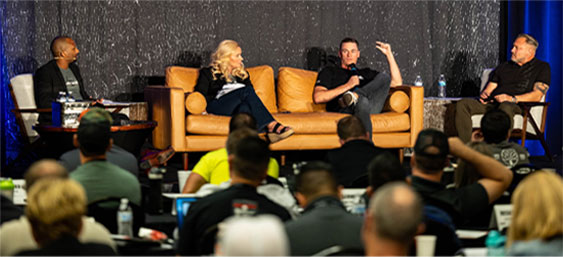
Immerse yourself in a world of exclusive insights, trade secrets, and transformative knowledge that will empower you and your fellow YARDIST Crew members to elevate your businesses and crafts to unprecedented heights.
Community

Join a select tribe where camaraderie and accountability are the bedrock of every interaction. The YARDIST Crew is more than a network; it’s a family of peers who share your passion, drive, and commitment to excellence.
Innovation
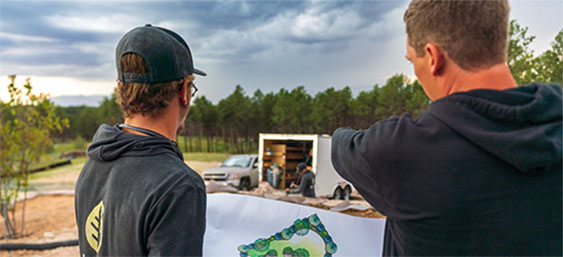
Stand at the forefront of innovation with the YARDIST Crew as you engage in discussions, workshops, and sessions that challenge the conventional and ignite creativity. The Confluence is where the YARDIST Crew’s ideas flow, and visions turn into reality.
Inspiration

Leave the Founders’ Edition not just inspired but transformed. This event is designed to instill confidence and vision, propelling you and your YARDIST Crew to build exceptional projects, serve outstanding clients, and achieve the financial success you’ve always aimed for.
Tailored Experience
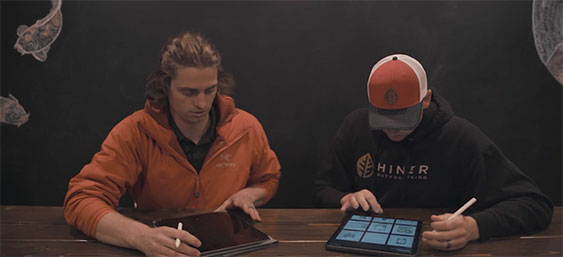
Relish in an experience meticulously crafted for design/build companies at the cutting edge. Your ticket to the Founders’ Edition isn’t just access to an event; it’s your entry into the YARDIST Crew, a journey tailored for those dedicated to excelling in life and business.
Inclusive Membership
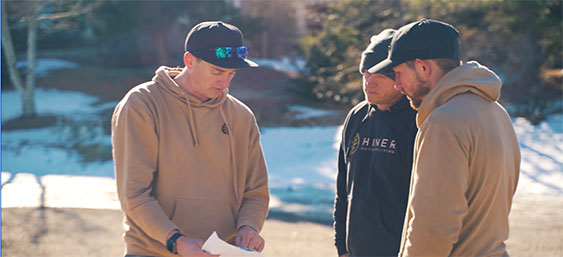
Your participation in the YARDIST Confluence: Founders’ Edition automatically enrolls you in the YARDIST Crew membership. This means continued support, resources, and connections that extend far beyond the event itself.
Who Is This Program For?
This Program is For Those Who Truly Want to:
- Be on the forefront of the landscaping industry.
- Be a part of this growing community.
- Rise above their peers.
- Provide more value to their customers.
- Significantly improve their business performance.
- Create an exceptional customer experience across every touch point.
- Equip their team with the knowledge, skills, and resources they need.
- Find new opportunities and predict industry challenges.
Yardist Confluence: Founders Edition
The Landscape and Outdoor Living Industry Event!
March 20-22
Colorado Springs, CO
Our Keynote Speakers
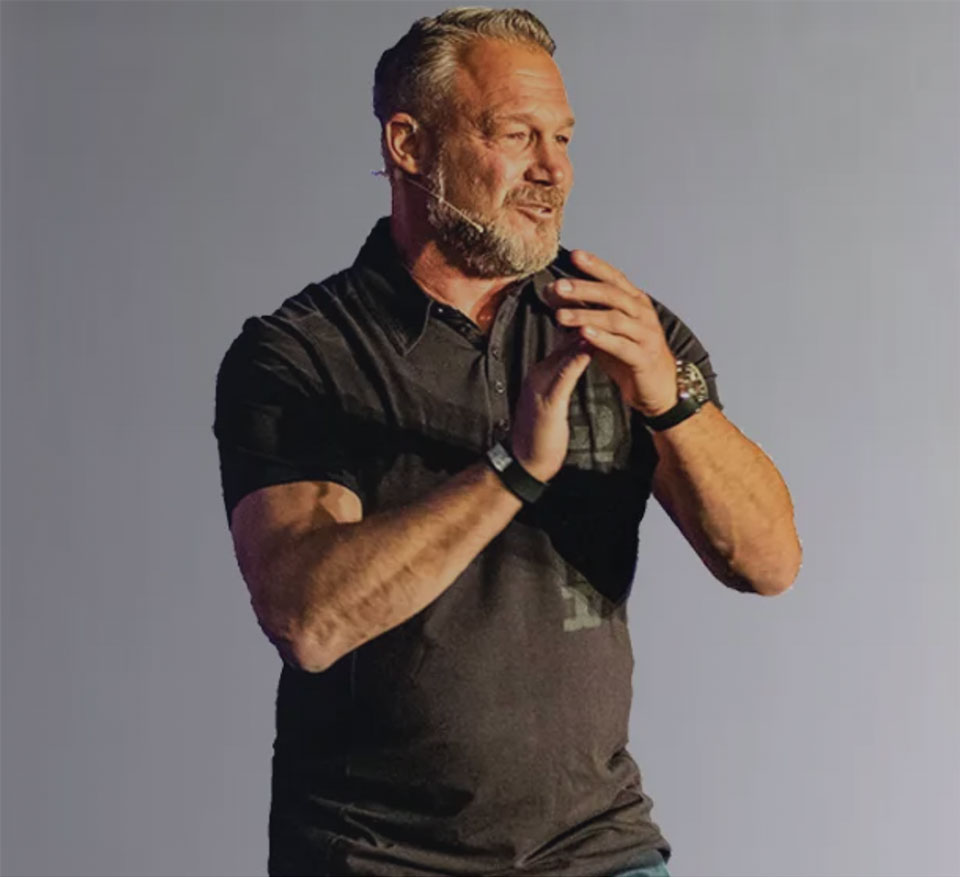
Tom Reber
Get ready for an electrifying experience with powerhouse keynote speaker Tom Reber! Join him for “Winning the Contractor Fight,” a transformational keynote that will revolutionize the way you run your company.
With his engaging style and fiery delivery, Tom captivates audiences of contractors, providing valuable insights and strategies to boost profitability. His relentless focus on helping contractors make more money shines through in his informative presentations.
You’ll learn to conquer negative self-talk, gain confidence in your numbers, and unlock the secret to selling projects at higher margins. Don’t miss this opportunity to thrive in the competitive business landscape!
About Tom:
Tom is a successful businessmen, coach, speaker and the creator of YouTube Channel: Contractor Fight TV. He is passionate about helping contractors from various industries thrive in today’s business landscape.
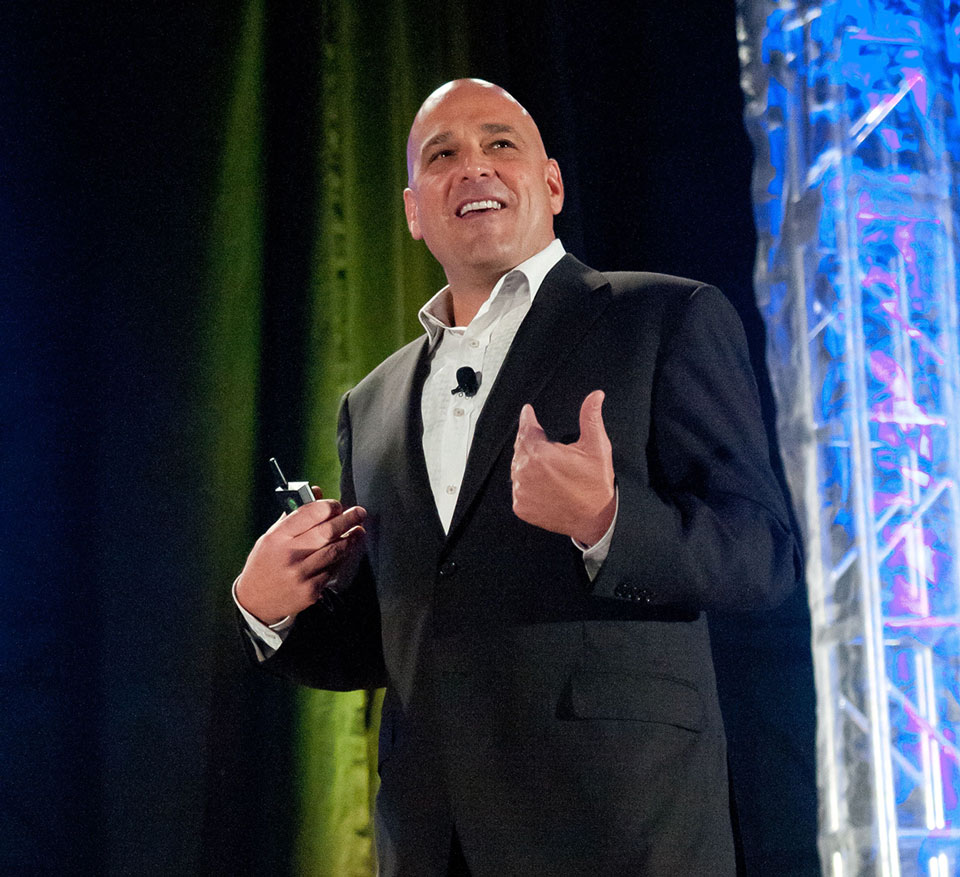
Weldon Long
Unlock the power of mindset with Weldon Long’s transformative keynote presentation! As a bestselling author, entrepreneur, and mindset expert, Weldon Long brings a wealth of knowledge and insight to his dynamic speeches. Through captivating storytelling and actionable strategies, Weldon empowers audiences to shift their mindset and overcome obstacles, both professionally and personally.
Don’t miss this opportunity to ignite positive change and unlock your full potential with Weldon Long’s mindset-focused keynote!
About Weldon:
Weldon Long’s journey from homelessness and prison to bestselling author and renowned speaker defies convention. Despite starting from rock bottom in 2003, Weldon transformed his life through mindset and perseverance, building a successful company recognized by Inc Magazine.
His story exemplifies the power of mindset to overcome adversity and achieve prosperity. Today, Weldon is celebrated for his Prosperity Mindset and Consistency Selling principles, which he shares as a sought-after speaker and motivator. His remarkable journey continues to inspire countless individuals to turn their lives around and thrive against all odds.
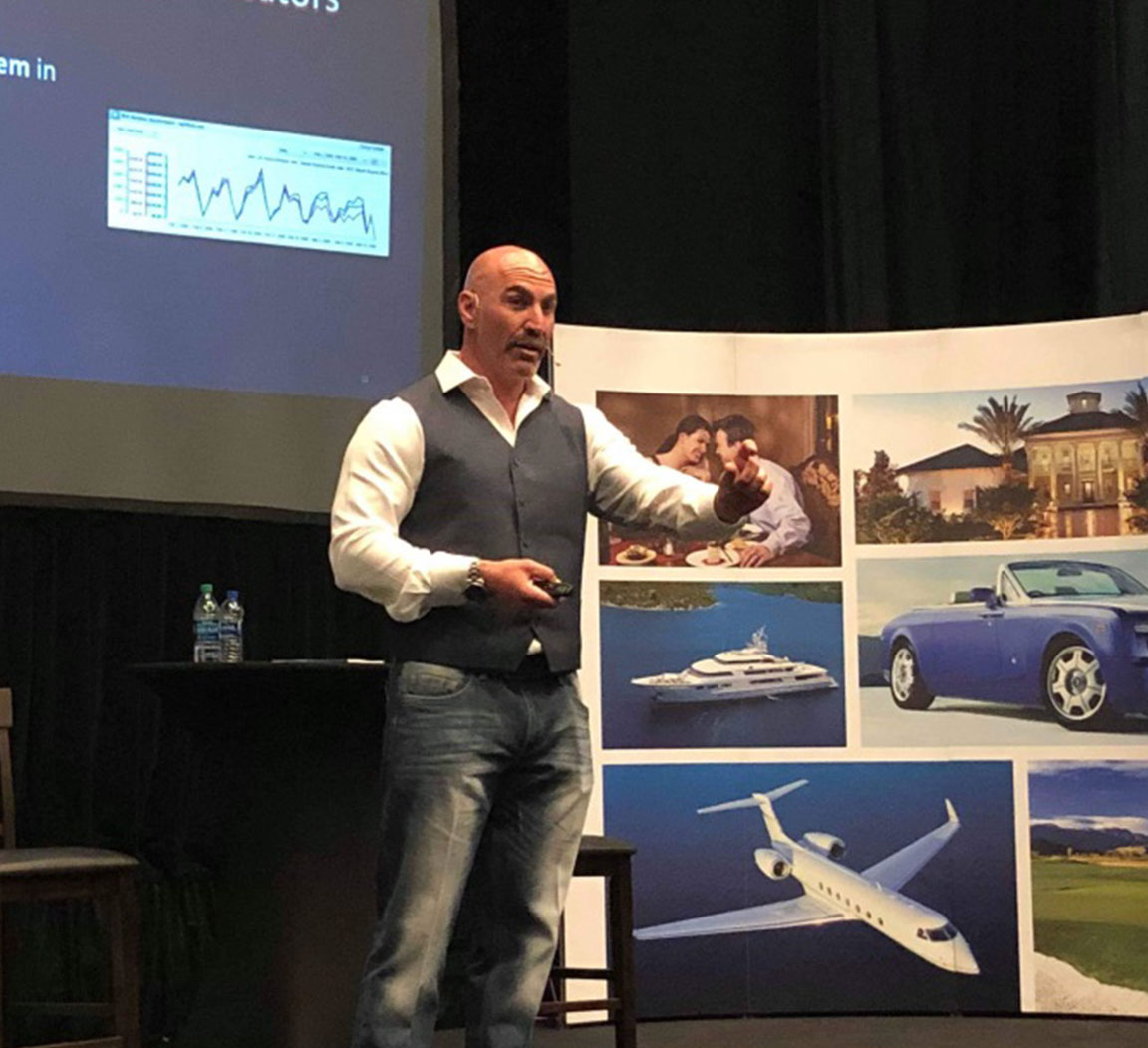
Steve Rozenberg
Get excited to succeed with Steve’s direct yet hopeful message, he ignites excitement and prompts action, providing actionable steps, business systems, and a roadmap to success. Through personal and relatable stories, Steve engages audiences mentally and emotionally, instilling a positive outlook and helping them reach success in all areas of life.
About Steve:
Steve Rozenberg’s journey embodies resilience and transformation. Originally aiming for an international pilot career, the 9/11 attacks diverted his path. Embracing adversity, he harnessed his entrepreneurial spirit, crafting a multimillion-dollar success story.
Renowned for his dynamic keynote presentations, Steve inspires audiences with actionable steps, business systems, and a roadmap to success. His direct yet hopeful messages resonate, fostering mental and emotional engagement.
Despite tragic loss in 2023, with the passing of his son Jett, Steve’s indomitable spirit endures. In tribute, he established the LIVE LIKE JETT SCHOLARSHIP FUND, honoring Jett’s vibrant life.
Today, Steve Rozenberg leverages his real estate expertise to mentor individuals, aiming to uplift and inspire despite life’s challenges. His commitment to positive impact remains unwavering.
About Matt Hiner
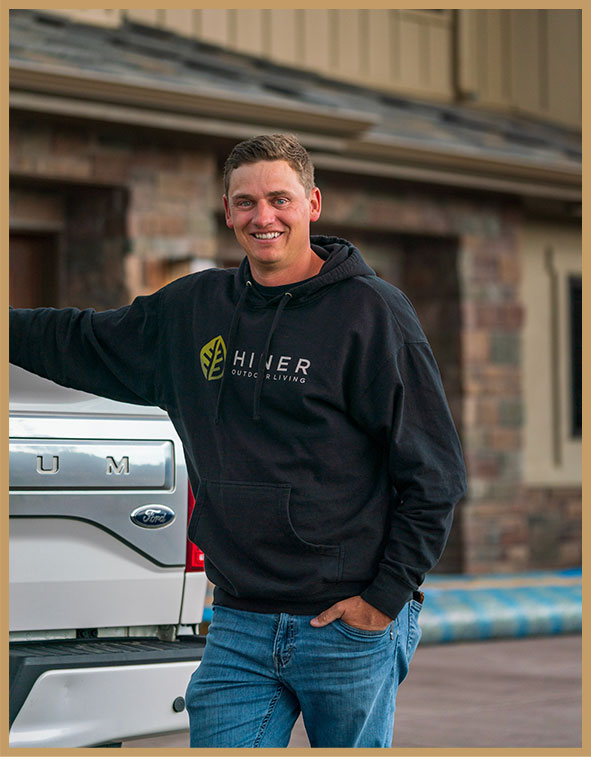
Matt Hiner is the founder and CEO of Hiner Outdoor Living, a multi-million dollar Design/Build & Retail company. Matt is a husband, father, entrepreneur, and designer. His company is internationally recognized with multiple awards and magazine features. He’s done work for high-profile clients like Logan Paul and the world-renowned Denver Botanic Gardens.
Matt is an expert at leveraging social media presence to attract quality clients and create unique opportunities. This process has led to rewarding experiences like being flown to the United Kingdom to film a landscape design competition show. Matt became a Social Media influencer who now deals with major brands including John Deere.
In addition, Matt hosts the Yardist podcast, co-produces his YouTube series, Hiner Outdoor Living, and publicly speaks to contractors across the nation. Matt was also the youngest President to serve the Associated Landscape Contractors of Colorado back in 2018 and is a current board member of Goodwill of Colorado.